
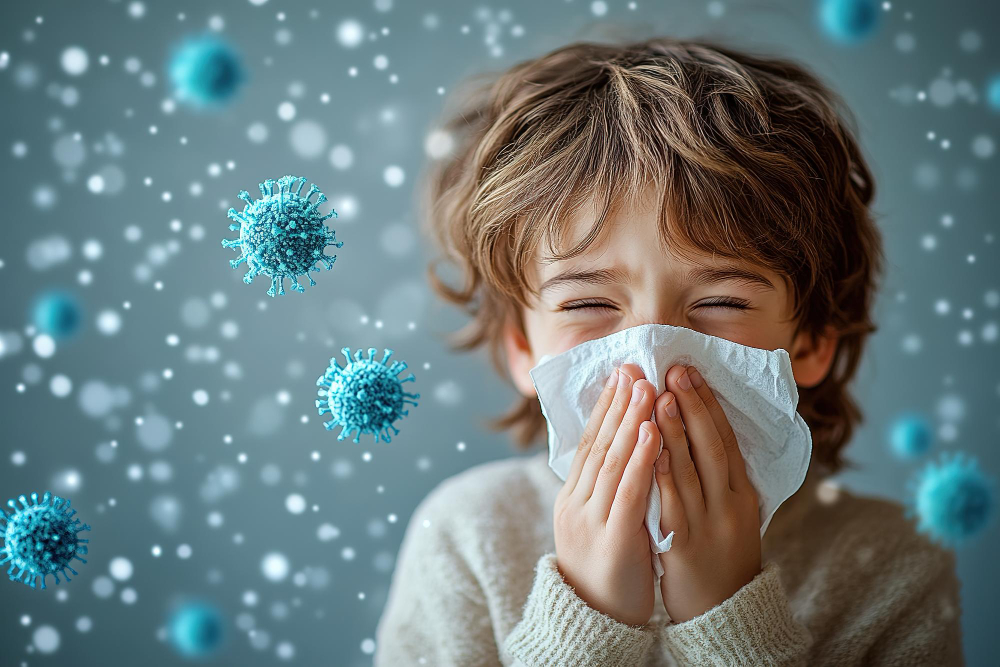
Viral wheeze in children is a common breathing problem. It often happens when a virus infects the airways. As a result, children may make a whistling sound when they breathe. In the United States, many parents worry when their child starts wheezing. However, most cases are mild and can be managed at home. This blog explains what viral wheeze in children means. It also covers symptoms, causes, diagnosis, and treatment for viral wheeze. You will find tips for home care and prevention, too.
What Is Viral Wheeze In Children?
Viral wheeze in children happens when a virus causes swelling in the small airways of the lungs. Because of this swelling, air moves less easily, and a wheezing sound can be heard. Wheeze is a high-pitched, whistling noise during breathing. Usually, this problem affects children under five years old. According to the CDC, viral infections are the most common cause of wheezing in young children. While some children may have only one episode, others may have several during cold and flu season.
Common Symptoms of Viral Wheeze
Children with viral wheeze may show several signs. Some symptoms may appear suddenly, while others develop over a few days. For example, a child may first have a runny nose before wheezing starts. Watch for these common symptoms:
Sometimes, symptoms can be mild. However, if your child has trouble breathing or turns blue around the lips, seek help right away.
Causes and Risk Factors
Most cases of viral wheeze in children are caused by viruses. For instance, the common cold virus (rhinovirus) and respiratory syncytial virus (RSV) are frequent triggers. Other viruses, like influenza, can also cause wheezing. While any child can get viral wheeze, some are at higher risk. These risk factors include:
Because young children have smaller airways, they are more likely to wheeze when sick. In addition, children with allergies or asthma may have more frequent episodes.
How Viral Wheeze Is Diagnosed
Doctors diagnose viral wheeze in children by asking about symptoms and listening to the chest. Usually, a physical exam is enough. However, sometimes doctors may use a stethoscope to hear the wheeze more clearly. In rare cases, a chest X-ray or blood test may be needed. For example, if the doctor suspects another cause, such as pneumonia, extra tests may help. Most of the time, no special tests are required. The diagnosis is based on the child’s age, symptoms, and history of recent viral illness.
Treatment Options for Viral Wheeze
Treatment for viral wheeze in children focuses on easing symptoms. Because viruses cause most cases, antibiotics are not helpful. Instead, doctors may suggest:
Sometimes, children with severe symptoms may need to visit the hospital. For example, if breathing becomes very hard, extra oxygen or other treatments may be needed. According to the American Academy of Pediatrics, most children recover at home within a week.
Home Care and Lifestyle Tips
There are many ways parents can help their child feel better at home. Because rest is important, make sure your child gets plenty of sleep. Try these tips:
If your child’s symptoms get worse or do not improve, contact your doctor. In addition, always follow your doctor’s advice for medicine and care.
Prevention Strategies
While it is not always possible to prevent viral wheeze in children, some steps can lower the risk. For example, good handwashing helps stop the spread of viruses. Try these prevention tips:
Because some children are more at risk, talk to your doctor about extra steps if your child has asthma or allergies. Staying healthy during cold and flu season can help prevent many cases of viral wheeze in children.
Conclusion
If your child has trouble breathing or frequent wheezing, do not wait. Visit Raqib Abbas for expert pediatric care and support for your family.