
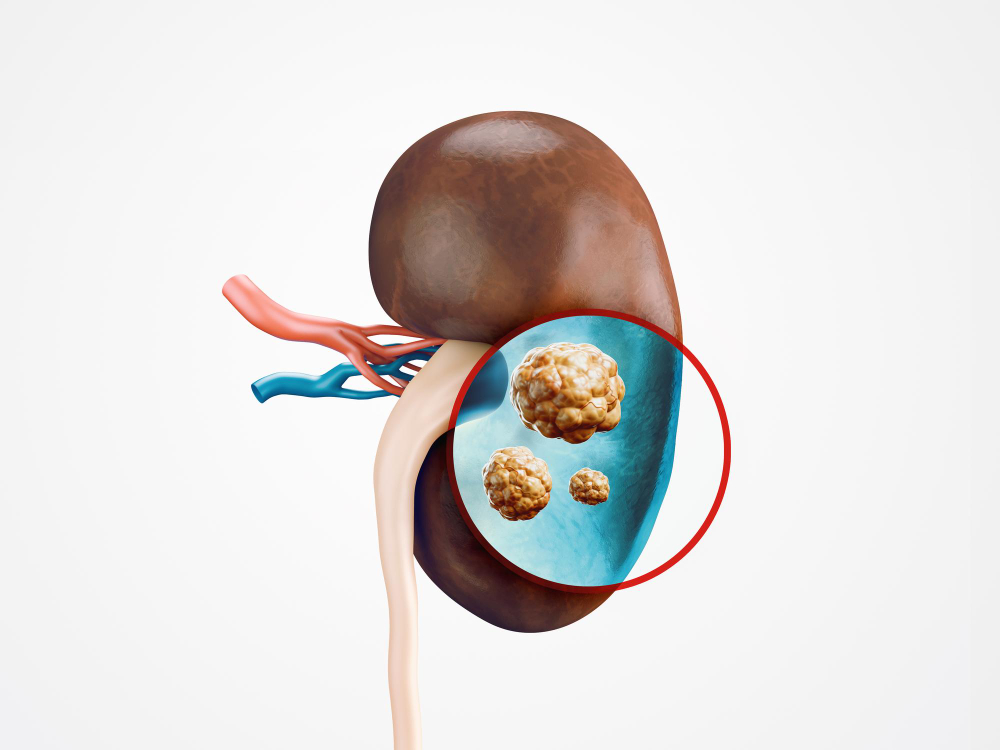
What Are Kidney Stones?
Kidney stones are hard lumps that form inside your kidneys. They develop when minerals and salts stick together in your urine. Because these stones can block the flow of urine, they may cause pain or other problems. Kidney stones are common, and anyone can get them. However, some people are more likely to have them than others.
Common Causes of Kidney Stones
Many things can lead to kidney stones. For example, not drinking enough water makes your urine more concentrated. This helps minerals stick together and form stones. In addition, eating too much salt or sugar can raise your risk. Some people have a family history of kidney stones, which also increases their chances.
Because your body’s chemistry plays a role, even healthy people can sometimes get kidney stones.
Recognizing Symptoms of Kidney Stones
Kidney stone symptoms can vary. Some people may not feel anything until the stone moves. When this happens, you might notice pain or other signs. For instance, pain often starts in your back or side. It can move to your lower belly or groin. Sometimes, the pain comes in waves and feels very strong.
Because these symptoms can be serious, you should see a doctor if you notice them.
How Kidney Stones Are Diagnosed
Doctors use several ways to find out if you have kidney stones. First, they may ask about your symptoms and health history. Next, they might order urine or blood tests. These tests can show if you have too many minerals in your body. In addition, doctors often use imaging tests to see the stones.
Because quick diagnosis helps prevent problems, it is important to get checked if you have symptoms.
Treatment Options for Kidney Stones
Treatment for kidney stones depends on the size and type of stone. Small stones often pass on their own if you drink enough water. However, larger stones may need medical help. Doctors may give you medicine to help pass the stone or ease pain. In some cases, you may need a procedure to remove or break up the stone.
Because each person is different, your doctor will choose the best treatment for you.
Prevention Tips for Kidney Stones
Preventing kidney stones is possible for many people. First, drinking enough water each day helps keep your urine clear. This makes it harder for stones to form. Next, watch what you eat. For example, eating less salt and animal protein can lower your risk. Some people may need to limit foods high in oxalate, such as spinach or nuts.
Because prevention is easier than treatment, these steps can help protect your kidneys.
Lifestyle Guidance for Kidney Health
Healthy habits support your kidneys and lower your risk of stones. For instance, staying active helps control your weight. In addition, regular check-ups can catch problems early. If you have a family history of kidney stones, let your doctor know. They may suggest extra tests or changes to your diet.
Because small changes can make a big difference, caring for your kidneys is worth the effort.
Conclusion
If you have symptoms or concerns about kidney stones, Dr. Raqib Abbas and the team are here to help. Book a consultation today to get expert advice and support for your kidney health.