
What is Type 2 Diabetes?
Type 2 diabetes is a long-term health condition. It affects how your body uses sugar for energy. In this condition, your body either does not make enough insulin or cannot use it well. Insulin is a hormone that helps move sugar from your blood into your cells. When insulin does not work right, sugar builds up in your blood. Over time, high blood sugar can harm your heart, kidneys, eyes, and nerves. According to the CDC, type 2 diabetes is the most common form of diabetes in adults.
Early Signs and Symptoms of Type 2 Diabetes
Often, early signs of type 2 diabetes are easy to miss. Many people do not notice symptoms at first. However, catching these signs early can help you get care sooner. For example, you may notice:
Sometimes, these symptoms are mild. Still, if you notice any of them, it is wise to talk to your doctor.
Why Regular Screening for Type 2 Diabetes is Important
Regular screening for type 2 diabetes helps find the condition early. Early detection can prevent serious health problems. For instance, many people have type 2 diabetes for years before they know it. During this time, high blood sugar can quietly damage your body. With regular screening, you can start treatment sooner. As a result, you lower your risk of heart disease, kidney problems, and vision loss. The American Diabetes Association recommends screening for adults over 35 or those with risk factors.
Risk Factors for Developing Type 2 Diabetes
Some people have a higher chance of getting type 2 diabetes. Knowing your risk factors can help you take action early. For example, you may be at higher risk if you:
Even if you feel healthy, these risk factors mean you should consider regular screening.
How Screening is Done: Tests and Procedures
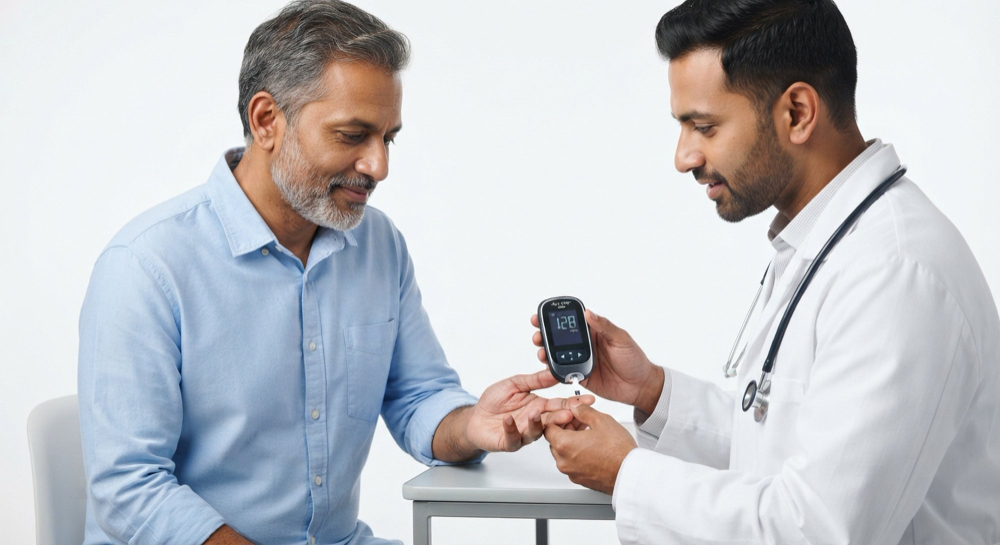
Screening for type 2 diabetes is simple and quick. Your doctor may use one or more blood tests. For example, the most common tests include:
Sometimes, your doctor may repeat a test to confirm the results. These tests are safe and do not take long. If your results are high, your doctor will talk with you about next steps.
Lifestyle Tips for Prevention and Early Management
Preventing type 2 diabetes is possible for many people. Even small changes can make a big difference. For instance, you can:
With these steps, you can lower your risk of developing type 2 diabetes. If you already have early signs, these habits can help manage your blood sugar and improve your health.