
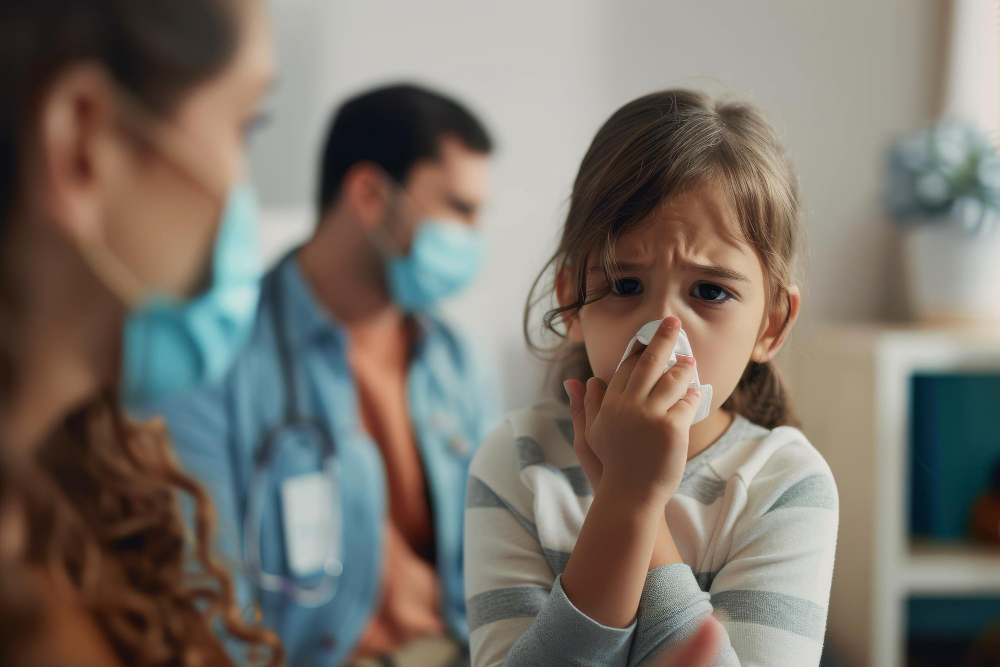
What Is Pneumonia in Children?
Pneumonia in children is a lung infection that can make it hard for kids to breathe. It happens when germs, like bacteria or viruses, cause the lungs to fill with fluid or pus. Because of this, the lungs cannot work as well. As a result, children may feel tired or have trouble breathing. According to the World Health Organization, pneumonia is a leading cause of illness in young children worldwide. Even so, with early care, most children recover fully.
Common Causes of Pneumonia in Kids
Many things can cause pneumonia in children. Most often, viruses are to blame. However, bacteria and sometimes fungi can also cause this illness. In many cases, children catch pneumonia after having a cold or the flu. For example, the following are common causes:
Additionally, children with weak immune systems or chronic health problems are at higher risk. In some areas, air pollution or crowded living conditions can also increase the risk of childhood pneumonia.
Key Warning Signs and Symptoms Parents Should Watch For
Recognizing pediatric pneumonia symptoms early is important. While symptoms can vary, some signs of pneumonia in kids are more common. For instance, parents should watch for:
Sometimes, young children may only show fussiness or seem less active. Because symptoms can look like other illnesses, it is important to pay close attention. If you notice these signs, especially trouble breathing, seek medical help right away.
How Pneumonia Is Diagnosed in Children
Doctors use several steps to diagnose pneumonia in children. First, they ask about your child’s symptoms and health history. Next, they listen to your child’s lungs with a stethoscope. Often, doctors can hear crackling or wheezing sounds. In some cases, they may order a chest X-ray to see if there is fluid or infection in the lungs. Sometimes, blood tests or tests of mucus from the nose or throat help find the cause. Early diagnosis helps guide the best treatment for your child.
Treatment Options for Pediatric Pneumonia
Treatment for childhood pneumonia depends on the cause. If a virus is the cause, rest and fluids are usually enough. However, if bacteria are to blame, doctors may prescribe antibiotics. In many cases, children can recover at home. Even so, some children may need to stay in the hospital. This is more likely if they are very young, have trouble breathing, or have other health problems. Treatment options may include:
Always follow your doctor’s advice and finish all medicines as directed.
Preventing Pneumonia in Children
There are several ways to help prevent pneumonia in children. First, keeping up with vaccines is key. Vaccines for flu, measles, and pneumococcus protect against common germs that cause pneumonia. In addition, teaching children to wash their hands often can stop the spread of germs. Other helpful tips include:
In some locations, air quality may affect risk. Therefore, try to limit outdoor activities when air pollution is high.
When to Seek Medical Help
Knowing when to get help is very important. If your child has trouble breathing, is breathing very fast, or has blue lips, seek care right away. Additionally, if your child is very sleepy, cannot eat or drink, or has a high fever that will not go down, call your doctor. Even if you are unsure, it is better to ask a healthcare provider. Quick action can help prevent serious problems from pneumonia in children.
Conclusion
If you notice any warning signs of pneumonia in your child, do not wait. Book a consultation with Dr. Raqib Abbas for expert care and peace of mind.