
Introduction
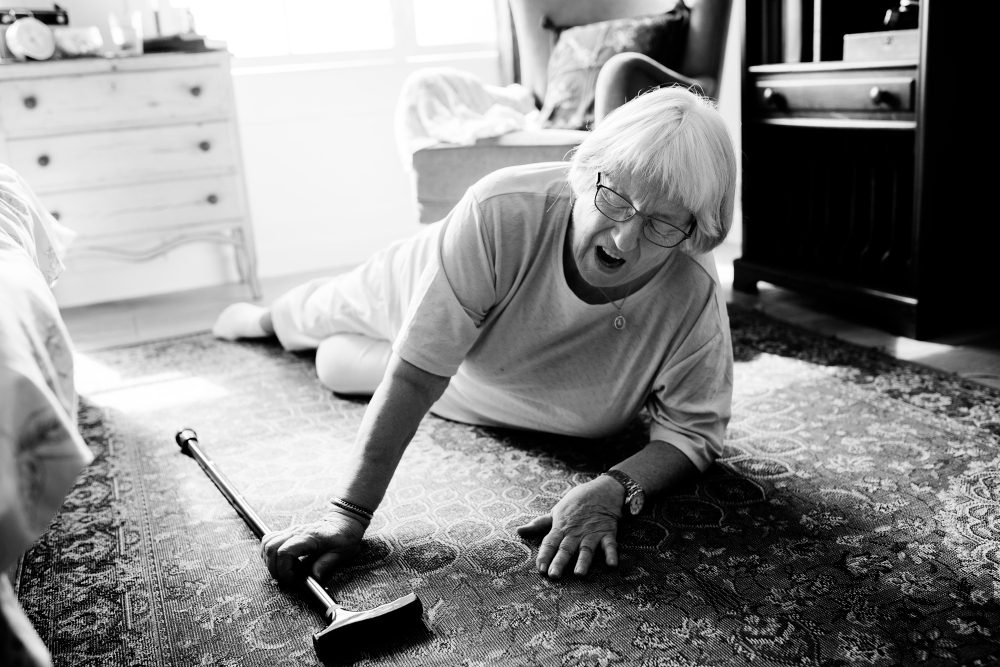
Fractures in older adults are breaks in bones that often happen after a fall. Even a simple fall can be serious for seniors. As people age, their bones may become weaker. Because of this, a small accident can lead to a broken bone. According to the CDC, fall injuries in seniors are a leading cause of hospital visits. In many cases, these injuries can affect daily life and independence. For this reason, it is important to understand why fractures in older adults need special attention.
Common Types of Fractures in Older Adults
Older adults can break any bone, but some fractures are more common. For example, certain areas are at higher risk because bones thin with age. Here are some frequent types:
In addition, some fractures may not cause much pain at first. Still, they can lead to problems if not treated quickly.
Causes and Risk Factors
Many factors make older adults more likely to have fractures. First, bones lose strength with age. Osteoporosis and fractures are closely linked, as this condition makes bones thin and weak. Second, balance and muscle strength often decrease over time. As a result, falls become more common. Other risk factors include:
Because of these risks, preventing falls in elderly people is very important. The World Health Organization notes that most fractures in older adults happen at home.
Symptoms to Watch For
After a fall, it is important to look for signs of a fracture. Sometimes, symptoms are easy to spot. Other times, they can be mild or hidden. Watch for these signs:
Even if pain is mild, it is wise to see a doctor. Early care can help prevent more problems.
Diagnosis
Doctors use several methods to find fractures in older adults. First, they ask about the fall and symptoms. Next, they examine the injured area for swelling or changes. Usually, an X-ray is needed to see the bone. Sometimes, a CT scan or MRI may be used if the break is hard to spot. In many cases, doctors also check for osteoporosis. This helps guide treatment and prevent future fractures. According to PubMed studies, early diagnosis leads to better recovery in seniors.
Treatment Options
Treating fractures in older adults depends on the type and location of the break. In many cases, doctors use a cast or splint to keep the bone still. Sometimes, surgery is needed, especially for hip fractures. For less severe breaks, non-surgical care may include:
With proper care, many seniors can return to their normal activities. However, recovery may take longer than in younger people.
Recovery and Rehabilitation
Recovery from fractures in older adults often needs extra support. After treatment, physical therapy helps restore strength and balance. In addition, occupational therapy can teach safe ways to move and do daily tasks. Family members or caregivers may help with bathing, dressing, or walking. Because healing can be slow, patience is important. Eating foods rich in calcium and vitamin D can also help bones heal. The CDC recommends regular check-ups to track progress and prevent new falls.
Prevention Tips
Preventing falls in elderly people is key to avoiding fractures. Simple changes at home and in daily habits can lower risk. Try these tips:
By following these steps, seniors can reduce their risk of fall injuries and stay independent longer.